Sofa cleaning near Purley Station expert technicians: what to expect, how it works, and how to choose well
If your sofa has started to look a bit tired, smell a bit "lived in," or show the marks of everyday life, you are not alone. Between tea spills, pet hair, commuter dust, and the general chaos of family living, upholstery can go from decent to dull surprisingly fast. That is where Sofa cleaning near Purley Station expert technicians make a real difference. Done properly, sofa cleaning is not just about making fabric look brighter for a day or two. It is about removing embedded soil, tackling odours, protecting fibres, and helping your furniture last longer.
In a busy local area like Purley, where homes and flats can be close to rail traffic, footfall, and all the grime that drifts in with daily life, a professional clean can feel like a reset. This guide walks through what expert sofa cleaning involves, why it matters, how the process works, and what to check before booking. You will also find practical tips, a comparison table, a checklist, and answers to common questions people actually ask.
Quick expert summary: the best sofa clean is the one matched to your fabric, your stains, and your real-life use. Not every sofa needs the same method, and not every "deep clean" is equal. A careful technician should inspect first, test where needed, explain the method, and leave you with a sofa that dries sensibly and feels genuinely refreshed.
Why Sofa cleaning near Purley Station expert technicians Matters
Sofas are one of the hardest-working items in any home. They collect dust, skin flakes, food crumbs, drink spills, pet dander, deodorant transfer, and everyday oils from hands and arms. After a while, even a sofa that looks "fine" can hold far more hidden dirt than you would expect. That buildup does not just affect appearance. It can also affect smell, texture, and the feel of the room as a whole.
Expert technicians matter because upholstery is sensitive. A cotton blend, velvet, chenille, microfibre, or leather-look material may each need a different approach. Use the wrong heat, moisture level, or product, and you can cause water marks, shrinkage, dye bleed, or a stiff finish. That is a headache nobody wants on a Saturday morning, to be fair.
Near Purley Station, local homes often need practical, low-fuss cleaning that fits around work, school runs, or weekend travel. A well-trained technician understands how to work neatly, limit disruption, and choose a method that suits both the sofa and the household. If you are comparing upholstery services more broadly, it can also help to look at professional upholstery cleaning alongside sofa-specific care, since the best approach often depends on the item and the fabric.
There is also a hygiene angle. Sofas can harbour allergens and lingering smells, especially in households with pets, young children, or heavy use. A proper clean can make the room feel fresher in a way that surface vacuuming never quite manages. You notice it when you sit down. The fabric feels lighter. The room smells cleaner. Simple, but surprisingly satisfying.
How Sofa cleaning near Purley Station expert technicians Works
Good sofa cleaning is a process, not a quick spray-and-wipe job. In most cases, expert technicians start with an inspection. They identify the material, check for dye sensitivity, look for stains, and assess the overall condition. This first step matters because it determines everything that follows.
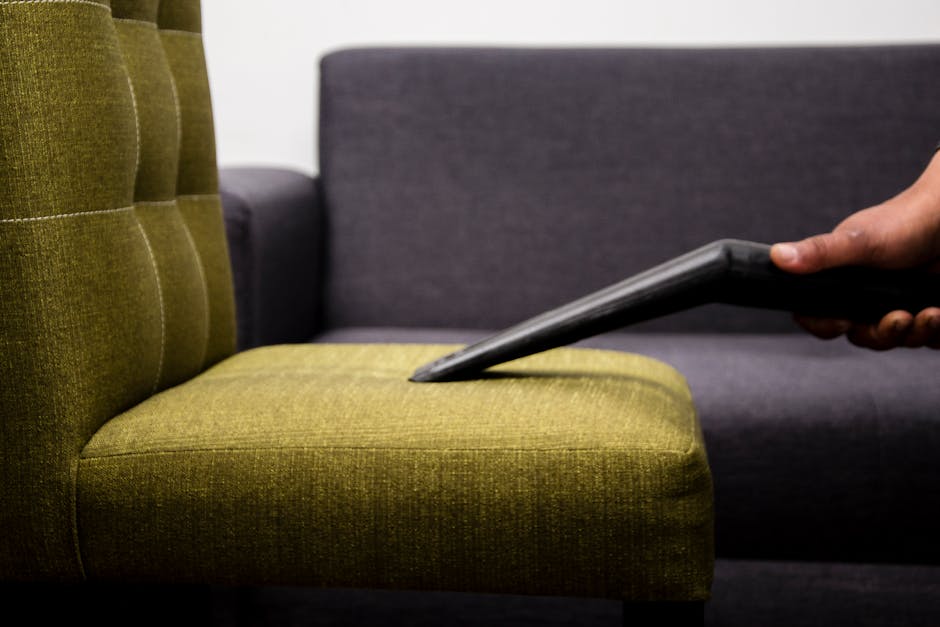
After inspection, the technician usually removes loose debris with thorough vacuuming. Creases, seams, and the gaps under cushions are important, because that is where grit settles. Then comes stain treatment. Different marks need different solutions. A fresh tea spill is not treated the same way as an old grease spot or a pet accident. A careful technician will apply suitable pre-treatment rather than blanket the whole sofa with the same product.
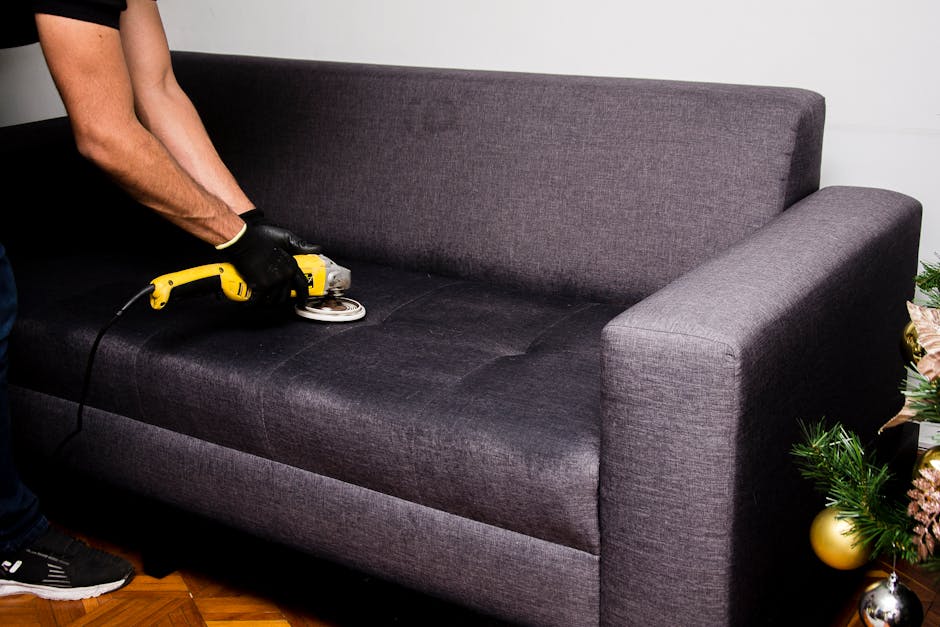
Next, the main clean begins. Depending on the fabric and the level of soiling, this may involve low-moisture extraction, hot-water extraction, dry cleaning methods, or specialist foam applications. The goal is to loosen embedded dirt without over-wetting the upholstery. Over-wetting can be a real problem. It may leave odours behind, slow drying, or create tide marks around the cleaned area.
In a well-run visit, technicians also work systematically across cushions, arms, backs, and high-touch zones. These are usually the dirtiest spots, even if they do not shout about it at first glance. Once the cleaning stage is done, the sofa should be checked again for remaining marks and brushed or groomed if the fabric benefits from it. On some fabrics, this last touch makes a bigger difference than people realise.
If you are comparing sofa care with other household fabric services, you may find it helpful to look at dedicated sofa cleaning and targeted stain removal, especially when one or two stubborn marks are the main concern.
Key Benefits and Practical Advantages
The obvious benefit is a cleaner sofa. But that is just the start.
- Improved appearance: Colours often look brighter once dirt film is removed, especially on lighter fabrics.
- Better odour control: Lingering smells from pets, spills, or general use can be reduced significantly.
- Longer furniture life: Embedded grit acts a bit like fine sandpaper, wearing fibres down over time.
- More comfortable feel: Clean upholstery often feels softer and fresher to sit on.
- Better home presentation: Useful before guests visit, before moving house, or when listing a property.
- Practical allergy support: While cleaning is not a medical treatment, removing dust and dander can help reduce household buildup.
There is also a subtle psychological benefit. A clean sofa changes the room. It can make a living space feel more settled, less cluttered, and more cared for. That matters more than people admit. You come home, put the kettle on, and the room just feels nicer. Quietly nicer.
For homes with a broader cleaning refresh in mind, carpet cleaning and rug cleaning can complement sofa cleaning nicely, especially where flooring and upholstery have both picked up daily wear.
Who This Is For and When It Makes Sense
Not every sofa needs professional cleaning on the same schedule, and not every household needs the same level of service. Still, there are clear situations where expert help makes sense.
- Families with children: Spills happen. Sticky hands happen. It is just life.
- Pet owners: Fur, odour, and little accidents can build up fast.
- Renters preparing for inspections: A cleaner sofa can improve the whole room's impression.
- Homeowners refreshing a tired lounge: Ideal before entertaining or redecorating.
- Busy commuters: If you live near Purley Station and do not want to spend the weekend scrubbing upholstery, professional help saves time.
- Older furniture you want to keep: A well-made sofa is worth maintaining rather than replacing too early.
It also makes sense if you have tried home cleaning products and only made the mark lighter, not gone. That is a familiar story. A lot of people scrub too hard, panic a bit, and end up with a wet patch larger than the original stain. Happens all the time. No shame in it.
If the issue is mainly pet-related, pet stain and odour removal may be the most relevant next step, because smell issues usually need more than a quick surface clean.
Step-by-Step Guidance
If you want to know what a proper visit should look like, here is the process in plain English.
- Initial assessment
Technicians inspect the sofa, identify the fabric, and note any damage, stains, or problem areas. This is where they decide which method is safest. - Testing
On sensitive fabrics, a small test may be done in a discreet area to check colour stability and product reaction. - Dry soil removal
Vacuuming removes dust and loose debris from the surface, seams, and cushions. This step should not be rushed. - Pre-treatment
Stains and high-traffic areas are treated before the main clean. This helps loosen body oils, food residue, and general grime. - Main cleaning
Depending on fabric type, the technician uses the most suitable method. The aim is to lift dirt without flooding the upholstery. - Spot checking
Any remaining marks are reviewed carefully. Some older stains may fade rather than disappear completely, and a good technician should say so honestly. - Drying guidance
You should be told roughly how long drying may take and what to do while it finishes, such as keeping cushions apart or ventilating the room. - Final review
The technician checks the finish and ensures the sofa looks even, not patchy.
A little tip from experience: ask the cleaner what they expect the drying time to be for your specific fabric. A direct answer is a good sign. "It depends" is fair enough sometimes, but there should still be some practical guidance behind it.
Expert Tips for Better Results
If you want the best possible result, the preparation matters almost as much as the clean itself.
- Vacuum before the visit if you can. It helps remove loose grit so the deep clean can focus on embedded soil.
- Point out every stain. Even the tiny ones. Technicians can only treat what they know about.
- Share fabric concerns early. If you are unsure whether the sofa is delicate, say so. Better safe than sorry.
- Move small items off the sofa. Throws, cushions, and toys get in the way more than you'd think.
- Improve airflow after cleaning. Open windows where practical and keep the room ventilated.
- Do not sit on the sofa too soon. Patience helps avoid re-soiling and flattening damp fibres.
One more thing: if you have curtains or mattresses that need attention too, it is often more efficient to book related fabric care together. For example, curtain cleaning and mattress cleaning can be scheduled around the same visit if the provider offers it. Less disruption. Less faff.
And yes, ask about pricing and quotes before the work begins. Clear expectations are part of good service, not an awkward extra.
Common Mistakes to Avoid
Most upholstery problems come from trying to go too fast or too hard. The classic mistakes are very ordinary, which is why they are so common.
- Using too much water: This can lead to long drying times, smells, or water marks.
- Scrubbing aggressively: It can spread the stain and roughen the fabric.
- Using the wrong product: A product safe for one fabric may damage another.
- Ignoring the care label: That little label is boring, yes, but it matters.
- Treating a stain without testing: Some colours react badly even to mild cleaners.
- Leaving residue behind: Sticky cleaning residue can attract new dirt faster.
- Assuming every stain will vanish: Some older marks are permanent or only partly recoverable.
One small reality check: not every sofa is meant to look brand new after cleaning. Sometimes the real win is a noticeable improvement, a fresher smell, and a cleaner overall finish. That is still a very good outcome.
Tools, Resources and Recommendations
Professional sofa cleaning relies on more than a bottle of solution and a cloth. The best technicians use the right tools for the fabric, the stain, and the room conditions.
- High-filtration vacuuming tools: Useful for dry soil removal and seams.
- Fabric-safe pre-sprays: These help break down body oils and general grime.
- Extraction or low-moisture equipment: Chosen according to the upholstery type.
- Specialist spotting tools: Helpful for localised marks and careful stain treatment.
- Airflow and drying support: Good practice for reducing downtime.
- Protective covers or pads: Useful in homes where children or pets may jump straight back on the furniture. They always do, don't they?
If you want to read more about the wider approach to furniture and fabric care, about the company can be a useful place to understand the service philosophy, while insurance and safety helps you check what kind of reassurance a responsible provider should offer.
For households with a strong interest in more sustainable choices, it is sensible to ask how waste water is handled and what products are used. A careful provider should be able to explain their approach in plain terms. If sustainability matters to you, their recycling and sustainability information may also be worth reviewing.
Law, Compliance, Standards, or Best Practice
Sofa cleaning is not a heavily regulated trade in the way some services are, but that does not mean standards do not matter. In the UK, customers should expect sensible business practice, clear communication, and care with chemicals, equipment, and property access.
At a practical level, best practice includes:
- using cleaning products appropriately and following manufacturer guidance
- testing delicate fabrics before treatment
- working safely around electrics, flooring, and fragile items
- being clear about limitations, such as set-in stains or ageing dye loss
- handling customer property respectfully and leaving the area tidy
It is also sensible for businesses to have clear terms, payment handling, and complaint processes. If you are booking any service, those pages should be easy to find and understandable. Here, that means checking the provider's terms and conditions, payment and security, and complaints procedure. None of that is glamorous, but honestly, it tells you a lot about how the company operates.
For privacy and site-use details, the relevant policies should also be available and written clearly. Those things do not clean a sofa, obviously, but they do help build trust before anyone steps through your door.
Options, Methods, or Comparison Table
Different sofas need different approaches. Here is a simple comparison to help you understand the main methods and when they suit the job.
| Method | Best for | Pros | Trade-offs |
|---|---|---|---|
| Hot-water extraction | Many durable fabric sofas with general soiling | Strong deep-clean effect, good for embedded dirt | Can take longer to dry if over-applied |
| Low-moisture cleaning | Delicate upholstery or quicker turnaround needs | Faster drying, gentler on some fabrics | May need extra attention for heavy stains |
| Foam or encapsulation-style cleaning | Maintenance cleans and lighter soil | Controlled moisture, neat finish | Not always enough for deep contamination |
| Spot treatment only | Single stains or targeted problem areas | Cost-efficient for localised issues | Won't refresh the whole sofa |
If your main aim is to refresh several items in one go, it may be worth comparing sofa work with rug cleaning or even steam carpet cleaning for the room's soft furnishings. Matching the method to the material is the whole game, really.
Case Study or Real-World Example
Picture a family living a short walk from Purley Station. The sofa is a three-seater fabric model in the front room. It has the usual signs of life: a faint drink ring on one arm, a few dark patches around the seat cushions, and a smell that the family can't quite place. Nothing dramatic. Just enough to make the room feel less fresh.
An expert technician would begin by checking the fabric type, testing a discreet spot, and identifying the marks. The cushions would be vacuumed carefully, then treated locally. The seat area might need a more thorough clean than the backrest, because that is where daily use really builds up. After the clean, the technician would advise how long to leave the room ventilated and when the cushions can be used again.
The likely result? A cleaner-looking sofa, reduced odour, and a room that feels more inviting without a full furniture replacement. That is the kind of practical improvement people notice straight away. Not flashy. Just good.
In some homes, the same visit may be paired with other cleaning tasks in the property. That is where a broader service mix can help, especially if there are carpets or mattresses that have also seen better days.
Practical Checklist
Use this quick checklist before booking and before the technician arrives.
- Check the sofa fabric type if you can find the care label.
- Note every stain, smell, or worn area you want treated.
- Move small objects, throws, and loose cushions aside.
- Ask what cleaning method they expect to use.
- Ask how long drying is likely to take.
- Confirm whether stain pre-treatment is included.
- Ask about insurance and safety procedures.
- Review pricing and any minimum charges in advance.
- Ventilate the room afterwards where practical.
- Avoid heavy use until the sofa is fully dry.
If you want a more formal reminder of what to expect from the provider, a quick look at the company's health and safety policy can help set expectations before the appointment.
Conclusion
Choosing Sofa cleaning near Purley Station expert technicians is really about more than appearances. It is about protecting a major piece of furniture, keeping your home fresher, and getting results that make sense for your fabric rather than gambling on a one-size-fits-all approach. The best technicians are careful, practical, and honest about what cleaning can and cannot do. That honesty matters.
When you know how the process works, what good practice looks like, and what mistakes to avoid, booking becomes much easier. You can ask better questions, spot the difference between a rushed job and a thoughtful one, and feel more confident about the result. And if you are the sort of person who likes a room to feel calm when you walk into it, a properly cleaned sofa can do a lot of that quiet heavy lifting.
Get a free quote today and see how much you can save.
Sometimes the nicest home improvements are the ones you notice without thinking about them. A clean sofa does that. It just makes the room feel right again.
Frequently Asked Questions
How often should a sofa be professionally cleaned?
For many households, once every 12 to 18 months is a sensible guide, but busy homes with pets, children, or heavy daily use may benefit from more frequent cleaning. The right interval depends on how quickly the fabric collects soil and odours.
Will professional sofa cleaning remove all stains?
Not always. Fresh stains are usually easier to improve than old or heat-set marks. A good technician should explain what is likely to clean well and what may only fade rather than disappear completely.
How long does a sofa take to dry after cleaning?
Drying time varies by fabric, method, room temperature, and airflow. Some sofas dry quite quickly, while deeper cleans can take longer. Proper ventilation helps, and over-wetting should be avoided in the first place.
Is sofa cleaning safe for delicate fabrics?
It can be, provided the fabric is identified correctly and the cleaning method is matched to it. Delicate upholstery needs testing and a cautious approach. This is where expert technicians are worth it.
Can pet smells be removed from a sofa?
Often, yes, at least significantly. Pet odours usually need a combination of deep cleaning and targeted odour treatment. If the smell has soaked deep into the padding, results can vary, but a proper treatment is much more effective than surface cleaning alone.
What should I do before the technician arrives?
Clear loose items from the sofa, vacuum if possible, and note any stains or areas you want treated. If you have concerns about fabric sensitivity, mention them before work starts so the technician can plan accordingly.
Can sofa cleaning help with allergies?
It may help reduce dust and dander buildup, which can make a room feel fresher. It is not a medical treatment, but regular cleaning of upholstery can support a cleaner indoor environment.
How do I know whether to choose sofa cleaning or upholstery cleaning?
Most sofas are a type of upholstery, so the services overlap. Sofa cleaning is more specific, while upholstery cleaning is broader and can include chairs, headboards, and other fabric items. If you have multiple pieces, broader upholstery care may be the better fit.
What is the difference between steam cleaning and low-moisture cleaning?
Steam cleaning is often used as a general term, though the actual process may involve hot-water extraction or similar methods. Low-moisture cleaning uses less liquid and can be better for delicate fabrics or quicker drying needs. The best choice depends on the sofa itself.
Should I ask for a quote before booking?
Yes. A clear quote helps you understand what is included, whether stain treatment is part of the price, and whether there are any minimum charges. It also avoids awkward surprises later on.
Are cleaning products safe around children and pets?
They should be used carefully and according to best practice, with proper drying and ventilation afterwards. If you have concerns, ask what products are being used and how long the area should be left before normal use resumes.
What if my sofa looks worse after a DIY clean?
Do not keep scrubbing. Overworking the fabric can make the issue worse. If the area is damp or patchy, stop and get professional advice. Sometimes a careful correction clean can still improve the result.
For readers in the area, it is also worth exploring the company's main sofa cleaning service and broader contact options when you are ready to move from research to action.