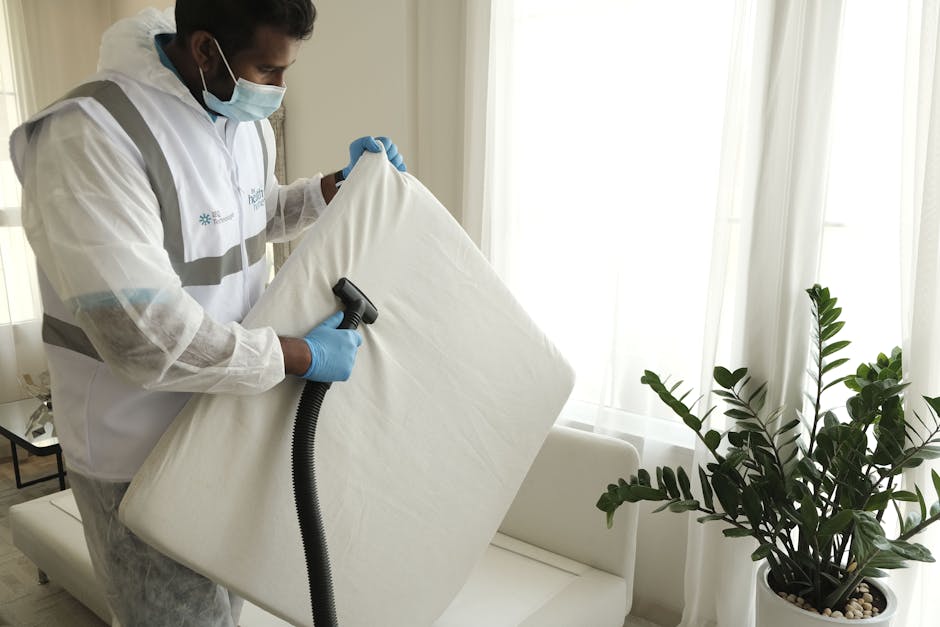
Allergy friendly mattress cleaning Purley Beeches homes: a practical guide for cleaner sleep
If you live in Purley Beeches and someone in the household wakes up sniffly, congested, or just plain uncomfortable, the mattress may be part of the story. Allergy friendly mattress cleaning Purley Beeches homes is really about more than a tidy bedroom. It is about reducing the dust, skin flakes, moisture, and staining that can build up quietly over time and make sleep feel less restful than it should. Truth be told, mattresses are easy to forget because you can't see much happening on the surface. That is exactly why they need a proper, careful approach.
This guide explains what allergy friendly mattress cleaning means, how it works, what to avoid, and when it makes sense to call in help. It also covers practical steps you can use at home, plus a simple checklist to keep things on track. If you are comparing options, you will also find a few useful pointers for choosing a method that is kinder to sensitive sleepers, children, and pets.
- Why allergy friendly mattress cleaning matters
- How allergy friendly mattress cleaning works
- Key benefits and practical advantages
- Who this is for and when it makes sense
- Step-by-step guidance
- Expert tips for better results
- Common mistakes to avoid
- Tools, resources and recommendations
- Law, compliance, standards, or best practice
- Options, methods, or comparison table
- Case study or real-world example
- Practical checklist
- Conclusion
- Frequently asked questions
Why Allergy friendly mattress cleaning Purley Beeches homes Matters
Bedrooms should feel calm. Yet mattresses often hold more than just sheets and dreams. Over time they collect dust, dead skin cells, sweat residue, body oils, crumbs, pet hair, and moisture from normal daily life. For many households, that build-up can contribute to irritation, unpleasant odours, and a general "stuffy" feeling in the room. If anyone in the home has allergies or sensitivities, those little things can become much more noticeable.
In a home environment, allergy friendly cleaning is not about chasing perfection. It is about reducing avoidable triggers while keeping the mattress materials safe. That means choosing methods and products that are low-residue, carefully controlled, and properly dried afterwards. A mattress that is technically clean but still damp, over-wet, or scented heavily with fragrance is not really allergy friendly at all. Let's face it, the fumes can be the problem sometimes.
This matters especially in family homes where bedding is changed regularly but the mattress itself is forgotten for months. A mattress can look fine and still contain the kind of invisible build-up that affects comfort night after night. If you are trying to make the sleeping environment gentler, the mattress is one of the most sensible places to start.
Expert summary: Allergy friendly mattress cleaning works best when it removes soil without leaving behind excess moisture, strong scents, or sticky residue. Clean thoroughly, dry fully, and keep the process simple.
For households also looking after carpets, rugs, or soft furnishings, it often makes sense to think holistically. Services such as carpet cleaning, upholstery cleaning, and curtain cleaning can reduce the same household dust load that settles onto mattresses in the first place.
How Allergy friendly mattress cleaning Purley Beeches homes Works
Allergy friendly mattress cleaning is a careful process rather than a single product or miracle spray. The aim is to remove surface debris, loosen embedded dirt, reduce odour, and sanitise in a controlled way without creating new irritation. A good approach normally starts with inspection. That sounds basic, but it matters. You want to know the fabric type, the level of staining, whether there is any sign of moisture damage, and whether the mattress has delicate seams or special fillings.
The process often includes dry soil removal first. That means vacuuming with a proper upholstery or mattress tool, ideally with strong suction and a clean filter. After that, spot treatment may be used for stains. In allergy-sensitive homes, low-residue solutions are usually preferred because overly perfumed or soap-heavy products can cling to fibres and later affect sleepers.
Depending on the mattress and the condition, a specialist may use controlled extraction, steam-based treatment, or a dry-clean style method. Each has pros and limitations. Steam can be useful for hygiene, but too much heat or moisture can be risky if not managed properly. Extraction can remove more embedded contamination, but it also needs excellent drying. Dry methods may be gentler for some mattresses, although they may be less effective for heavy staining. There is no one-size-fits-all answer, frustrating though that may be.
Good allergy friendly cleaning also includes careful drying. Airflow, temperature, and time all matter. A mattress that is still damp by bedtime is not just uncomfortable; it can create conditions that make the whole effort counterproductive. That is why a proper method treats drying as part of the cleaning, not an afterthought.
If pet accidents or lingering odours are part of the issue, it may help to pair mattress care with targeted pet stain and odour removal or precise stain removal rather than dousing the area with a generic cleaner and hoping for the best. Hope is not a method, after all.
Key Benefits and Practical Advantages
There are obvious benefits, and then there are the day-to-day ones you only notice once the mattress has actually been cared for properly. Allergy friendly cleaning is valued because it supports a fresher sleeping space without making the room smell sharply chemical or feeling damp for hours.
- Less dust build-up: Removing dust and fine debris can make the mattress feel fresher and more comfortable.
- Lower risk of residue: Allergy conscious methods avoid heavy soaps and overly fragrant products that can linger.
- Better sleep environment: A cleaner mattress often feels lighter, fresher, and more pleasant at bedtime.
- Odour reduction: Sweat, spills, and general ageing can create a stale smell that cleaning helps lift.
- More suitable for sensitive households: Families with asthma, hay fever, eczema, or fragrance sensitivity often prefer gentler approaches.
- Helps protect the mattress: Regular care may help delay visible wear and keep the surface in better condition.
There is also a practical side many people overlook: a proper clean gives you a clearer picture of the mattress itself. Small rips, sagging areas, or early staining become easier to spot. That can be genuinely useful if you are deciding whether to keep, rotate, or replace it.
If you are already planning a broader home refresh, combining mattress care with services such as sofa cleaning or rug cleaning can reduce the amount of settled dust in the room. Not essential every time, but often sensible when allergies are a recurring issue.
Who This Is For and When It Makes Sense
This kind of cleaning is especially useful for households where sleep quality and indoor comfort matter a lot. That could be a family with young children, a home with pets, a room used by a person with seasonal allergies, or a guest bedroom that sits untouched for long stretches and quietly gathers dust.
It also makes sense in a few very ordinary scenarios:
- you notice a mild stale smell when changing the bedding;
- someone in the house wakes up with a blocked nose more often than expected;
- the mattress has spot stains from spilled drinks, night sweats, or small accidents;
- there has been a recent illness and you want the room to feel properly fresh again;
- you have bought a second-hand mattress and want a more hygienic starting point.
Sometimes the trigger is simply the change of seasons. In late spring or autumn, when pollen or indoor dust tends to feel more noticeable, people often become more aware of bedroom air quality. You might not think the mattress is the culprit, yet after a proper clean, the room can feel different almost immediately. Small change, big relief.
If the mattress is still in good shape but has a few stubborn marks, a focused service may be enough. If it is old, sagging, or holding persistent odours, cleaning can improve it, but it will not perform miracles. That's worth saying plainly.
Step-by-Step Guidance
If you want to keep things allergy friendly, the process should be calm, methodical, and not overly wet. Here is the practical version.
- Strip the bed completely. Remove bedding, mattress protectors, and any loose fabric items. Wash them separately so dust and residue do not return straight away.
- Inspect the mattress. Look for stains, wear, loose stitching, and any damp patches. If there is a serious spill, work on it quickly rather than waiting.
- Vacuum thoroughly. Use a clean upholstery tool and go slowly across the whole surface, paying attention to seams, tufting, and edges.
- Treat stains carefully. Use a product suited to the stain type and the mattress material. Blot rather than scrub. Scrubbing tends to push the mark deeper and roughen the fabric.
- Use low-residue cleaning methods. For allergy friendly results, avoid heavy perfume and anything that leaves a sticky film behind.
- Extract or lift soil where needed. If moisture is used, make sure it is controlled. A little is fine. Too much is where problems begin.
- Dry fully. Increase airflow, open windows where practical, and allow enough time before remaking the bed. Be patient here.
- Protect the mattress afterwards. A breathable protector can help keep dust, spills, and sweat from building up again so quickly.
If the job is more involved than expected, consider professional support that offers a method matched to the mattress type. The mattress cleaning service is the most direct route for people who want the work done carefully and with less guesswork.
Expert Tips for Better Results
There are a few things that make a bigger difference than people expect. First, vacuum regularly, even between deep cleans. Dust settles continually, and a quick pass every so often can reduce how much material ends up embedded in the fibres. It is not glamorous, but it works.
Second, use a mattress protector that can be removed and washed. A breathable protector is a small thing, yet it can save a lot of hassle. If someone in the household is sensitive to fragrance, choose laundry products carefully too. A lovely-smelling detergent is not always the friend you think it is.
Third, rotate the mattress if the manufacturer allows it. This helps spread wear and can reduce localised build-up in one area. It is one of those simple habits people skip for months, then suddenly wish they had started earlier.
Fourth, deal with spills quickly. Blot the area, avoid soaking it, and resist the urge to pour on multiple cleaners. That usually makes the mattress wetter and more complicated. One sensible treatment is better than five hopeful ones.
Finally, think about the room as a whole. Dust on curtains, carpets, and upholstery will eventually settle back onto the bed. That is why combining mattress care with broader steam carpet cleaning or other soft furnishing maintenance can be helpful in allergy-conscious homes.
Common Mistakes to Avoid
Most mattress cleaning problems come from trying to do too much too quickly. A few common mistakes crop up again and again.
- Using too much water: A mattress is not a bathroom tile. Excess moisture can spread stains and slow drying.
- Overusing fragrance: Strong scents can mask odour but also irritate sensitive noses and leave residue.
- Scrubbing aggressively: This can damage fibres and push dirt deeper into the fabric.
- Skipping drying time: Remaking the bed too soon traps moisture and may create a musty smell.
- Mixing random products: Different cleaners can react badly together or leave the mattress feeling tacky.
- Ignoring the cause: If a leak, pet habit, or ventilation problem is creating repeated issues, the mattress clean is only part of the answer.
A lot of people also forget the underside and sides of the mattress. Dust does not politely stay on the top surface. It drifts into seams, around tags, and into the edges where the mattress meets the frame. Worth checking. Always.
Tools, Resources and Recommendations
You do not need a cupboard full of specialist products to keep a mattress cleaner. In many homes, the essentials are quite simple.
| Tool or item | Why it helps | Best use |
|---|---|---|
| Upholstery vacuum attachment | Reaches seams and lifts loose dust | Routine maintenance and pre-cleaning |
| Breathable mattress protector | Helps reduce new dust and spill build-up | After cleaning and for ongoing prevention |
| Clean white cloths | Useful for blotting without transferring colour | Spot treatment and stain control |
| Gentle, low-residue cleaner | Helps avoid heavy build-up and lingering smell | Targeted stain work |
| Fan or open-window airflow | Supports proper drying | After any wet-cleaning step |
For professional support, it helps to ask a few straightforward questions before booking: what method is used, how much moisture is involved, how long drying usually takes, and whether the process is suitable for sensitive households. That is a perfectly normal thing to ask. If the answer is vague, that tells you something.
If you want a broader clean for the home, a service that also handles curtains, upholstery, or carpets can be a useful part of reducing dust circulation in sleeping areas.
Law, Compliance, Standards, or Best Practice
Mattress cleaning in a home setting is not usually about legal compliance in the way some commercial work is, but good practice still matters. For example, any cleaning approach should be safe for the materials involved and should not create avoidable hazards such as excess moisture, chemical irritation, or slip risk on wet floors nearby.
In the UK, sensible home cleaning practice generally means following product instructions carefully, using chemicals only as intended, and taking reasonable care around ventilation and drying. If a mattress is visibly contaminated beyond normal household soiling, or if there is mould, persistent damp, or sewage-related contamination, it is wise to stop and seek specialist advice rather than carry on casually.
If you are dealing with a rented property or a managed home, it can also help to keep communication clear with landlords or managing agents if there has been a leak or a stain that may affect the condition of the mattress. Best practice is often just common sense with a little documentation. Nothing fancy.
For businesses or landlords who need broader guidance on service standards and site safety, it can be useful to review the company's health and safety policy and insurance and safety information. These pages help set expectations around care, risk management, and responsible working methods.
Options, Methods, or Comparison Table
Not every mattress needs the same approach. The right method depends on the material, the kind of stain, and how sensitive the household is. Here is a simple comparison to help with decision-making.
| Method | Best for | Pros | Watch-outs |
|---|---|---|---|
| Dry vacuum-based cleaning | Routine dust control | Fast, low moisture, very safe for maintenance | Won't fix deeper staining on its own |
| Low-moisture spot cleaning | Small stains and localised marks | Targeted and usually allergy-friendly when done well | Needs careful product choice and drying |
| Extraction cleaning | More embedded soil or heavier use | Can remove more residue from fibres | Drying time matters a lot |
| Steam-based treatment | Hygiene-focused refresh | Useful for some mattresses and sanitising goals | Too much heat or water can cause problems |
For many allergy-sensitive homes, the sweet spot is a combined approach: vacuum first, treat carefully, then finish with controlled drying. It sounds simple because, frankly, it should be.
Case Study or Real-World Example
A common real-world scenario is a family bedroom where one child has hay fever and the mattress has picked up a faint stale smell over winter. The parents have already washed bedding regularly, but the room still feels a bit heavy in the mornings. On inspection, the mattress shows fine dust around the seams, a couple of old spill marks, and signs that the protector has not been changed in quite some time.
After a careful clean, the approach is straightforward: thorough vacuuming, targeted stain treatment, careful moisture control, and a long drying window with a fan and open window where possible. The mattress is remade only once fully dry, and a breathable protector is fitted immediately afterwards. Nothing dramatic, no miracle story. Just sensible work.
The noticeable change is not that the room smells like flowers. Good. It smells like very little at all, which is what many allergy-conscious households actually want. The child still has seasonal allergies, of course, but the sleep environment feels cleaner and calmer. That quieter result is often the real win.
Practical Checklist
Use this quick checklist before and after mattress cleaning.
- Strip bedding and wash it separately.
- Vacuum the mattress top, sides, seams, and edges.
- Identify the stain type before applying any cleaner.
- Use the smallest effective amount of product.
- Avoid over-wetting the mattress.
- Allow full drying time before remaking the bed.
- Check for any lingering smell or dampness after cleaning.
- Fit a breathable protector once the mattress is dry.
- Keep the room ventilated where practical.
- Repeat light maintenance regularly rather than waiting for big problems.
And one more thing, if the mattress feels cold or slightly clammy when you touch it, it is not ready yet. Better to wait an extra hour than trap moisture under fresh sheets.
Conclusion
Allergy friendly mattress cleaning Purley Beeches homes is really about creating a bedroom that feels better to sleep in, not just cleaner to look at. The best results come from steady, low-residue cleaning, proper drying, and a few simple habits that stop dirt and dust from building up again too quickly. If you have children, pets, sensitivities, or simply want the bedroom to feel fresher, the mattress is a sensible place to focus.
Take the gentle approach, keep the process practical, and do not underestimate the value of a well-dried mattress with a good protector. It is one of those home-care jobs that pays you back quietly, night after night.
Get a free quote today and see how much you can save.
Frequently Asked Questions
What makes mattress cleaning allergy friendly?
An allergy friendly approach reduces dust, residue, and strong fragrance while keeping moisture under control. The aim is to clean without adding new irritants back into the mattress.
How often should a mattress be cleaned in a home with allergies?
That depends on the household, but many people benefit from regular vacuuming and periodic deeper cleaning. If symptoms are noticeable or the mattress gets heavy use, a more frequent schedule can make sense.
Can mattress cleaning help with dust mites?
It can reduce the debris and conditions that dust mites like, especially when combined with washing bedding and using a protector. It is not a magic fix, but it helps.
Is steam cleaning safe for all mattresses?
No, not automatically. Some mattresses handle controlled steam well, while others can be damaged by heat or moisture. Always match the method to the mattress type.
Will the mattress smell strongly after professional cleaning?
It should not if the method is allergy friendly. A faint clean scent may fade quickly, but strong fragrance is usually a sign that too much was used.
How long does a mattress take to dry?
Drying time varies depending on the method, room airflow, and how much moisture was used. A careful clean should always include enough time to dry fully before the bed is made up again.
Can I clean a memory foam mattress the same way as a spring mattress?
Not quite. Memory foam is usually more sensitive to saturation, so it often needs a drier, more controlled approach than a traditional spring mattress.
What should I do about urine or pet stains?
Deal with them quickly and use a method suited to that stain type. For more stubborn or odour-heavy issues, targeted treatment is usually better than a general cleaner.
Does mattress cleaning remove all allergens?
No service can promise to remove every allergen, because household environments keep changing. But proper cleaning can reduce the build-up that contributes to discomfort and stale air.
Is it worth cleaning an older mattress?
Often yes, if the mattress is still structurally sound. Cleaning may improve freshness and comfort, though a very worn mattress may still need replacing eventually.
How do I know if a mattress is too far gone to clean?
If it has deep sagging, persistent mould, major structural damage, or stains that keep returning, cleaning may only provide limited improvement. In those cases, replacement can be the better option.
Where can I find more help for bedding and soft furnishings?
If you are looking at the wider home environment, related services such as mattress cleaning, sofa cleaning, and carpet cleaning can be part of a more complete dust-reduction routine.